Are Flow Cytometry Based Isolation Technologies the Right Technology For Your Single-Cell Applications?
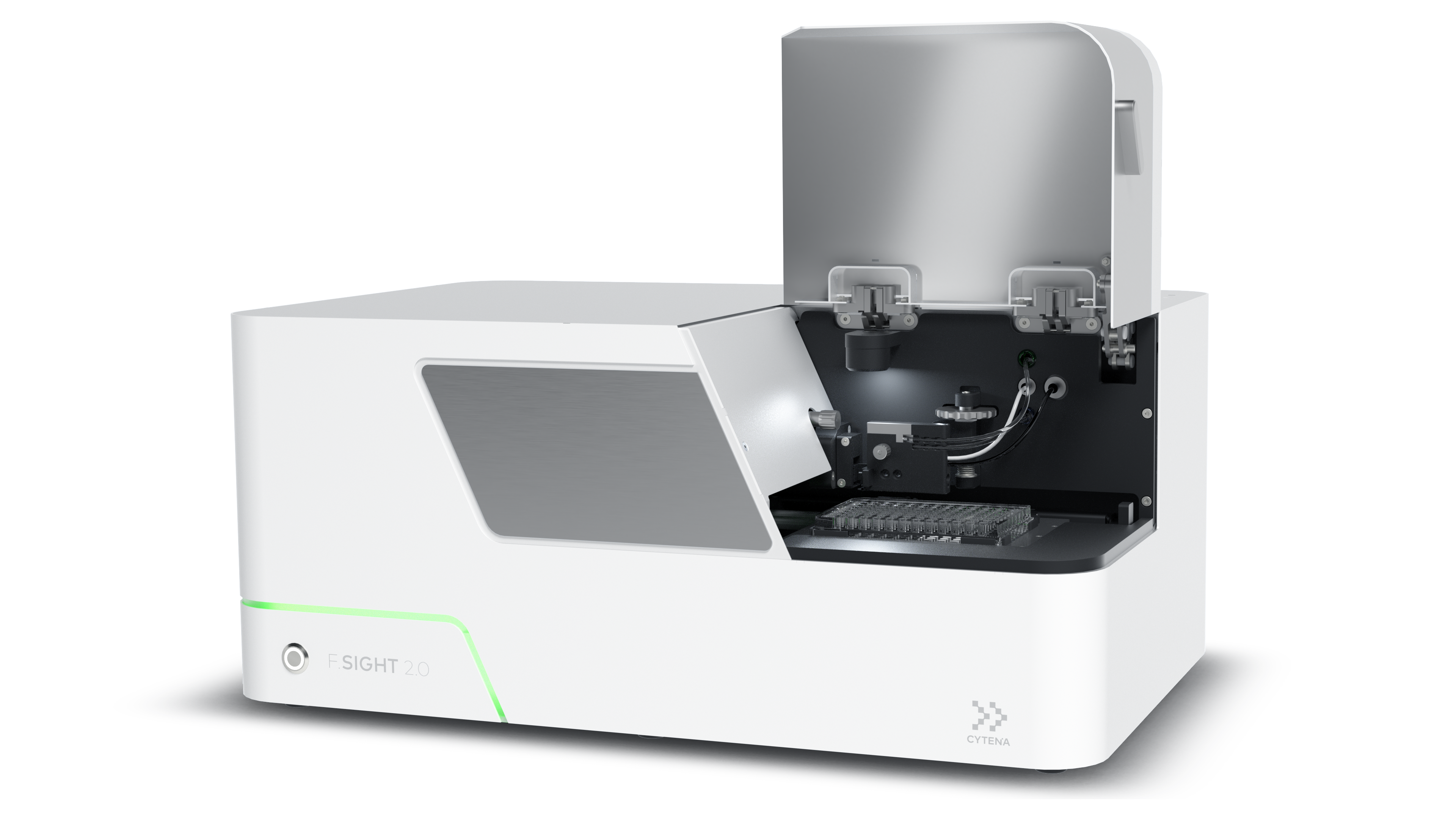
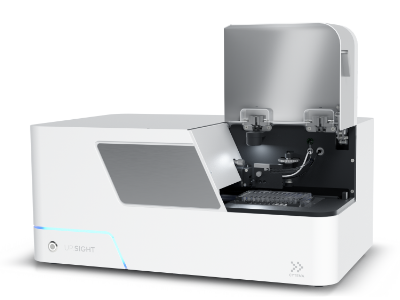
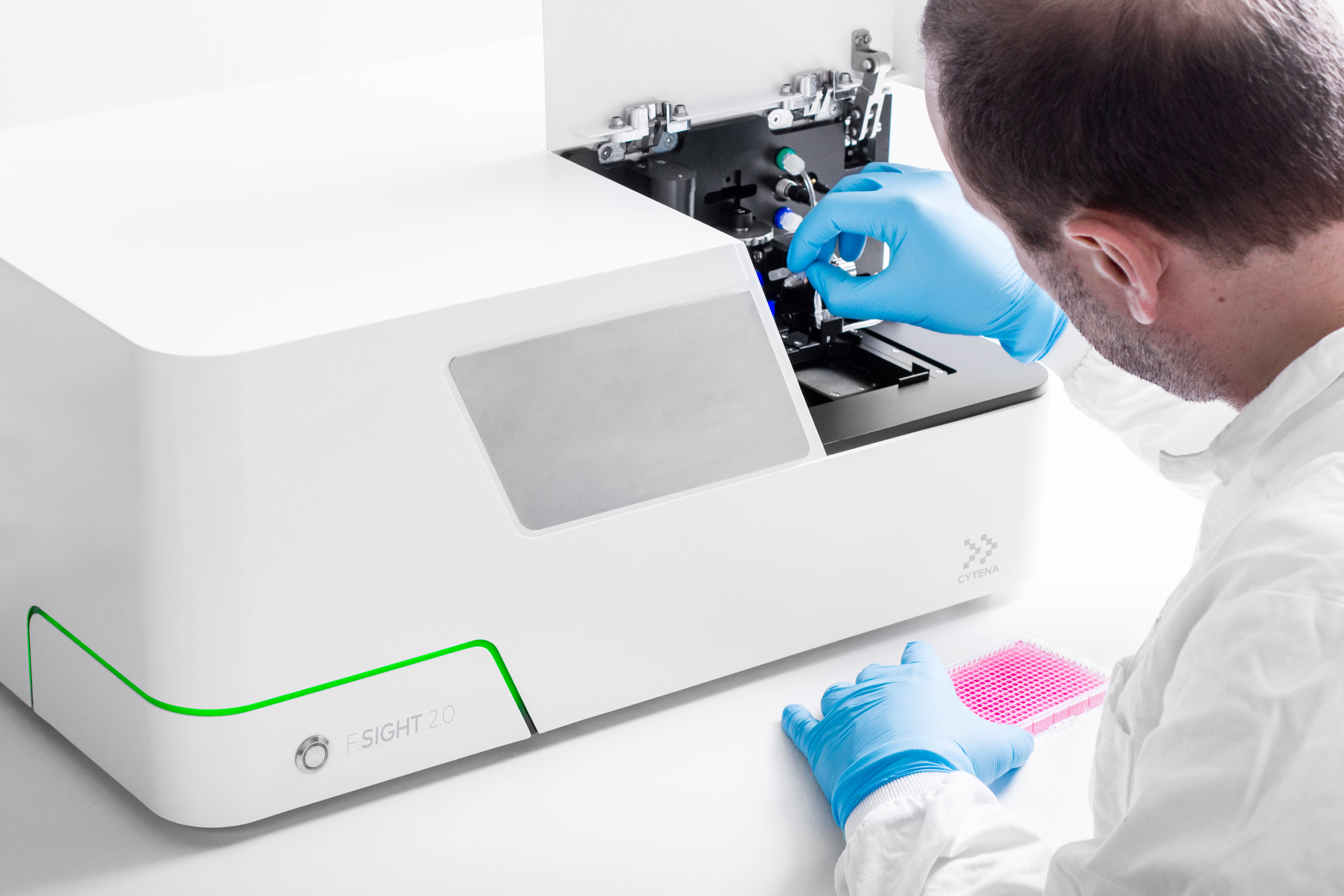
Dispense single cells sorted according to both fluorescence AND morphology with CYTENA’s F.SIGHT system. It embarks CYTENA image-based dispensing technology with green fluorescence sorting for more stringent single-cell isolation and confidence in monoclonality.
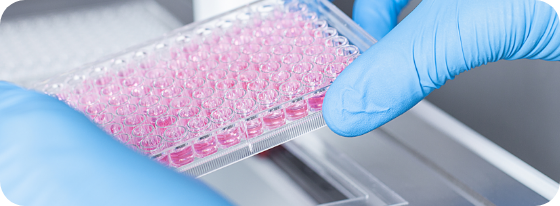
Efficient dispensing in 96 well-plates in 2 minutes; 1000 wells in 20 minutes.
IMAGED-BASED TECHNOLOGY
Receive day 0 proof of monoclonality with embedded image-based technology.
USING GFP FLUORESCENCE
Dispensing using GFP fluorescence, cell size and roundness, and selectively choosing target cells
Flow cytometry provides probabilities of monoclonality, but this remains probabilistic assurance, not proof.
Cell sorting based on flow cytometry Infer single-cell detection from fluorescence signals rather than detect cells, doublets or debris with a camera. For CLD work aimed at either peer-reviewed publication or IND-enabling work, this can be insufficient. Image-based cell sorting is as straightforward as it sounds. It is a reliable way to confirm the dispensing of single cells and to prove monoclonality to reviewers and regulators.
Combining the best of both world: fluorescence- and image-based dispensing.
The F.SIGHT only dispenses the single-cells that meet criteria for fluorescence, size and roundness. No fluorescence, no problem! You can also sort cells non-fluorescent cells solely on their morphology. Cell debris, doublet and single-cells are discarded. Pictures of the dispensing nozzle before, during and after dispensing serve as proofs of monoclonality.
THE POWER OF THE CYTENA SOLUTION.
One Cell. One Well.
The F.SIGHT dispensing efficiency of 97% (number of wells with one cell dispensed) combined with an outgrowth rate up to 80% means that you get the highest colony-per-well rate of the industry. That’s fewer wells to seed, lower real-estate requirements in your incubator, less plate handling, less plastics... more efficiency overall, with
compounding benefits. The chances of a doublet growing into a colony unnoticed is about one in two million (Scherzinger et al.,). That’s only one non-clonal colony in about 5000x 384-well plates ; or one non-clonal colony once every 10 years at 10x 384-well plates per week.
Read More
APPLICATION NOTE
F.SIGHT™ – Fluorescence intensity-based isolation of single cells with assured clonality for CLD workflows
The newest innovation in single-cell dispensers with fluorescent sorting. Streamline your workflows from monoclonal cell culture development for biopharmaceutical manufacturing, to single-cell assays for basic scientific research.
Purpose-built for cell line development campaigns. The UP.SIGHT™ is optimized for speed, clone recovery, colony growth tracking and traceability in bioprocessing environments.











.png?width=2251&height=920&name=Pfizer_(2021).png)